
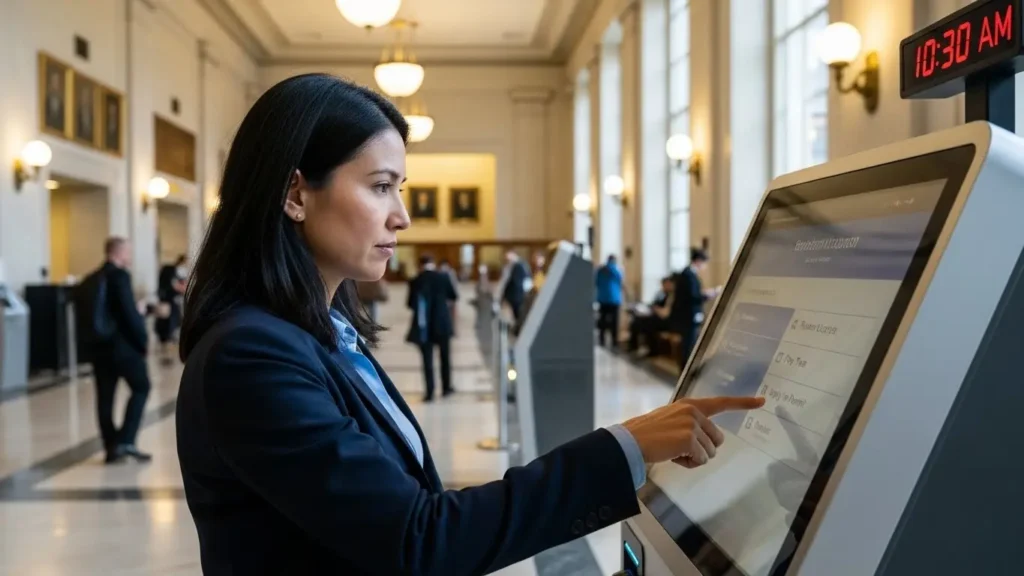
In today’s world, everyone expects services to be faster, easier, and available at any time. Governments around the world are working hard to keep up with this new standard, and one of the most powerful tools helping them modernize is the chiosco governativo. These s are transforming how people access public services—making daily tasks quicker, reducing waiting lines, and bringing more convenience into citizens’ lives.
A modern government kiosk is not just a simple ticket machine. It is a complete digital service station where citizens can check information, pay fees, print documents, verify their identity, and complete important applications—all without needing to wait at a counter. By helping governments automate routine work, these kiosks free up staff, reduce errors, and give people a better experience.
This article explores how government kiosks are improving public service delivery, the features that make them essential for modern governance, and why citizens love them.
1. Government Kiosks Make Everyday Public Services Faster and Easier
Imagine paying a fine, printing a certificate, checking your social welfare status, or applying for a permit—all in the same machine. That’s exactly what a government kiosk offers. These machines are placed in convenient locations such as community centers, transportation hubs, libraries, and government buildings, giving people 24/7 access to essential public services.
Common services supported by government kiosks include:
-
Paying utility bills, taxes, and fines
-
Printing official certificates
-
Checking social welfare or insurance information
-
Submitting applications for permits and licenses
-
Booking appointments for public services
-
Verifying identity or documents
-
Accessing basic policy information
Instead of waiting in long lines or taking time off work to visit government offices, citizens can simply walk up to a kiosk and get things done in minutes.
2. Smart, Secure Technology Protects Your Identity
Since government kiosks handle sensitive information, they use advanced security technology to keep everything safe. Modern kiosks integrate:
-
Facial recognition
-
Fingerprint scanning
-
ID card and eID readers
-
Passport and document scanners
-
Encrypted PIN pads for private input
These features make sure that only the correct person can access their information, helping prevent fraud and identity theft. All data transmission is encrypted and follows strict national cybersecurity standards.
This strong security gives citizens peace of mind—knowing their personal information is protected at every step.
3. Government Kiosks Reduce Queues and Save Time for Everyone
No one enjoys spending hours waiting at government counters. Government kiosks take over routine tasks, allowing staff to focus on more complex services that require human attention. This reduces congestion, speeds up processing, and improves overall efficiency.
Benefits include:
-
Shorter queues at government offices
-
Faster turnaround time for common services
-
More accurate data handling
-
Reduced paperwork
-
Better use of government resources
The end result? Citizens get faster service, government staff get less overwhelmed, and the entire system becomes more efficient.
4. One Machine, Multiple Public Services—All in One Place
One of the biggest advantages of a government kiosk is its multi-service capability. Instead of installing several different machines, government departments can integrate many functions into one intelligent terminal.
Examples include:
-
Tax and fine payments
-
Welfare and social insurance inquiries
-
Certificate printing (birth, marriage, residency, etc.)
-
Vehicle registration services
-
Employment or labor services
-
Health insurance card updates
-
Local policy information browsing
This all-in-one approach makes kiosks extremely convenient for citizens and reduces installation and management costs for the government.
5. Built to Last: Durable Hardware for Heavy Public Use
Government kiosks operate all day long and are used by thousands of people every month. Because of this, they need industrial-level durability.
Typical hardware features include:
-
High-quality touchscreens
-
Metal cabinets with anti-vandal protection
-
Weatherproof outdoor enclosures
-
Industrial-grade computers
-
High-speed printers for receipts and certificates
-
HD cameras and scanning systems
These ensure that the kiosk remains stable, reliable, and long-lasting—even in crowded public environments.
6. Remote Management Makes Maintenance Simple
Modern government kiosk systems are connected to cloud platforms that allow remote monitoring and maintenance. This reduces downtime and maintenance costs while ensuring every kiosk works smoothly.
Remote management features include:
-
Real-time device monitoring
-
Remote software updates
-
Automatic alert notifications
-
Usage and performance analytics
-
Remote reboot and troubleshooting
This means government teams can manage hundreds of kiosks from a central dashboard without having to visit each machine in person.
7. Citizens Enjoy a More Transparent and Stress-Free Service Experience
Transparency is a major challenge in traditional government services. With government kiosks, processes become clearer and more standardized. Citizens follow step-by-step instructions on the screen, receive immediate confirmations, and avoid the uncertainty of long waits.
User benefits include:
-
Simple interfaces that guide each step
-
Quick results
-
Clear fees and service details
-
Real-time status updates
-
Multi-language support for inclusivity
When citizens feel in control and can complete tasks quickly, their trust in public services naturally increases.
8. Fully Customizable for Different Government Departments
Every government has its own priorities, so customization is essential. A good government kiosk provider offers customization for both hardware and software.
Custom options include:
-
Different kiosk sizes and designs
-
Optional modules (scanner, card reader, printer, camera, biometric units)
-
Software workflow customization
-
Supporto di più lingue
-
Branding and UI design
-
Integration with existing government platforms and databases
This flexibility allows each department—whether transportation, civil affairs, healthcare, immigration, or taxation—to deploy kiosks that fit their exact needs.
Conclusion: Government Kiosks Are Redefining the Future of Public Services
Government kiosks are more than machines—they represent a major shift toward smarter, faster, and more citizen-friendly public services. By combining technology, convenience, and automation, these kiosks create a better experience for both citizens and government staff.
As digital transformation accelerates worldwide, the demand for high-quality government kiosks will continue to grow. Governments that adopt these solutions early will enjoy improved efficiency, increased transparency, reduced operational costs, and higher citizen satisfaction.
A well-designed government kiosk doesn’t just perform tasks—it builds trust, convenience, and a modern service experience for everyone.
 English
  Spanish
  French
  German
  Portuguese
  Italian
  Russian
  Dutch
Dutch  Norwegian
  Arabic

